Common Winter Restoration Emergencies
Winter weather increases the risk of property damage for both homes and businesses. Freezing temperatures, snow, and increased indoor heating can lead to serious restoration emergencies if not addressed quickly.
DAI Restore put together a list of the most common winter restoration emergencies we handle yearly, and what to do when they occur as a home or business owner.
Burst Pipes & Frozen Plumbing
Frozen pipes are one of the leading causes of winter water damage. When water freezes, it expands and can cause pipes to crack or burst. Once the ice thaws, water can then spread rapidly through walls, ceilings, and flooring.
Common signs of frozen pipes:
- Low or no water pressure
- Frost on exposed piping
- Water stains or dripping
What to do:
Ice Dams & Roof Leaks
Ice dams form when melting snow refreezes along roof edges, trapping water. This trapped water can leak under shingles and into the structure, damaging insulation, drywall, and ceilings.
Warning signs:
- Ice buildup along roof edges
- Water spots on ceilings or walls
- Peeling paint
What to do:
- Avoid removing ice yourself
- Call a restoration professional to identify hidden moisture and prevent further damage inside the home
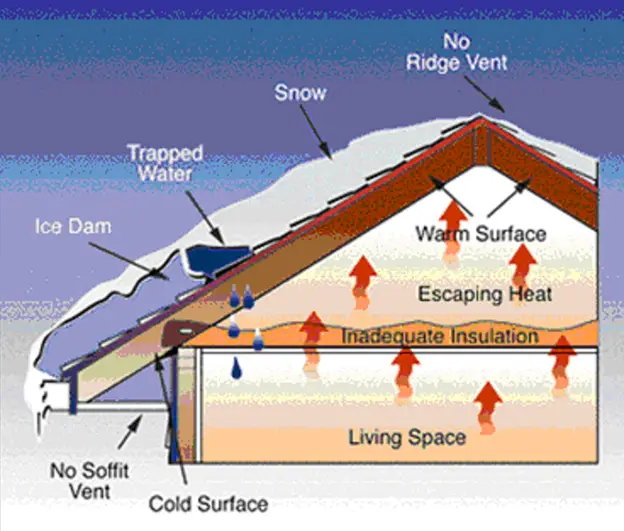 Photo credit: Weather.gov
Fireplace & Chimney Incidents
Fireplaces are used more frequently during the winter, increasing the risk of fire and smoke damage. Creosote buildup and poor ventilation are common causes of chimney fires and smoke issues.
Common problems include:
What to do:
- Ensure all smoke detectors and carbon monoxide detectors are in working order before lighting any fires
- Have a fire extinguisher handy at all times
- Clean fireplaces properly before and after each use
Furnace & Heating System Issues
Heating system failures can also result in smoke damage, soot buildup, or fire hazards. A loss of heat can also cause pipes to freeze, leading to secondary water damage.
What to do:
If your heating system causes damage or shuts down unexpectedly, restoration professionals can assess smoke, fire, or water-related issues and restore safe conditions
Carpets, Tile & Grout Damage
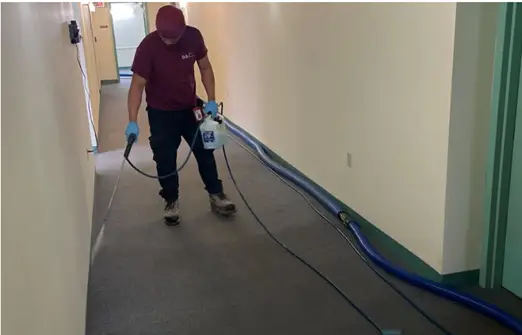
Melted snow and road salt tracked indoors can soak into carpets or settle into tile and grout. Salt residue breaks down carpet fibers, stains grout lines, and leads to odors and mold if left untreated.
What to do:
- Schedule professional cleaning and drying as soon as possible. Restoration-grade equipment removes salt residue, moisture, and contaminants before permanent damage or mold develops
Why Fast Restoration Matters in the Winter
Burst pipes, ice dams, fire incidents, and water intrusion require professional restoration to prevent further loss. If your property experiences winter-related damage, immediately contact DAI Restore – your trusted emergency restoration company.