Hidden Property Damage to Check For This Spring

Winter in New England is tough on homes. Freezing temperatures, snow accumulation, and repeated thaw cycles put constant stress on roofing systems, foundations, and interior structures.
Now that spring has arrived, many homeowners assume the danger has passed — but this seasonal transition is when hidden damage often reveals itself. The reality: most spring restoration calls begin with problems that started during winter but went unnoticed.
Our team put together an expert list of things that may be quietly failing in your home right now, and why a spring inspection matters.
Why Winter Damage Shows Up in Spring
Winter rarely causes immediate, obvious failure. Instead, damage develops slowly through freeze-thaw cycles.
When water enters small openings in your home and freezes, it expands. As temperatures rise, that ice melts and leaves behind slightly larger gaps. Over dozens of cycles, minor vulnerabilities turn into structural problems. Spring rain and warmer temperatures then expose what winter has weakened.
1. Freeze/Thaw Damage: Small Cracks Becoming Big Problems
Freeze/thaw expansion is one of the most destructive seasonal forces affecting homes in Rhode Island, Massachusetts, and Connecticut.
What happens:
- Water seeps into tiny cracks in concrete, roofing, or siding
- Freezing temperatures expand trapped moisture
- Materials slowly separate or weaken
- Spring moisture penetrates deeper than before
Warning signs to check in the Spring:
- Cracks in driveways or foundation walls
- Flaking concrete or masonry
- Interior wall hairline cracks
- Water stains appearing after rain
Left untreated, these openings allow ongoing moisture intrusion that can lead to mold growth and structural deterioration.
2. Roof Cracks You Can’t See From the Ground
Your roof absorbs the full impact of winter weather: snow weight, ice buildup, wind, and temperature swings. Even when shingles look intact, micro-fractures may have formed.
Common winter roof stressors:
- Ice expansion under shingles
- Thermal contraction during cold nights
- Snow load pressure
- Wind-driven ice movement
Early indicators of roof failure:
- Granules collecting near downspouts
- Slight ceiling discoloration
- Damp attic insulation
- Musty attic odors
These small breaks allow slow water intrusion that may not leak immediately but can cause rot and mold over time. Spring inspections catch these issues before heavy rainstorms turn them into active leaks.
3. Foundation Moisture After Snow Melt
As snow melts, the ground surrounding your home becomes heavily saturated. If your foundation develops even minor winter cracks, water will find its way inside.
Why Spring is high risk:
- Soil expansion pushes moisture toward foundations
- Hydrostatic pressure increases against basement walls
- Drainage systems are often clogged after winter debris buildup
Signs your foundation is absorbing moisture:
- Damp basement walls
- Efflorescence (white powder residue)
- Peeling paint or bubbling surfaces
- Persistent humidity or musty smells
Foundation moisture rarely resolves on its own. Early mitigation prevents long-term structural damage and mold contamination.
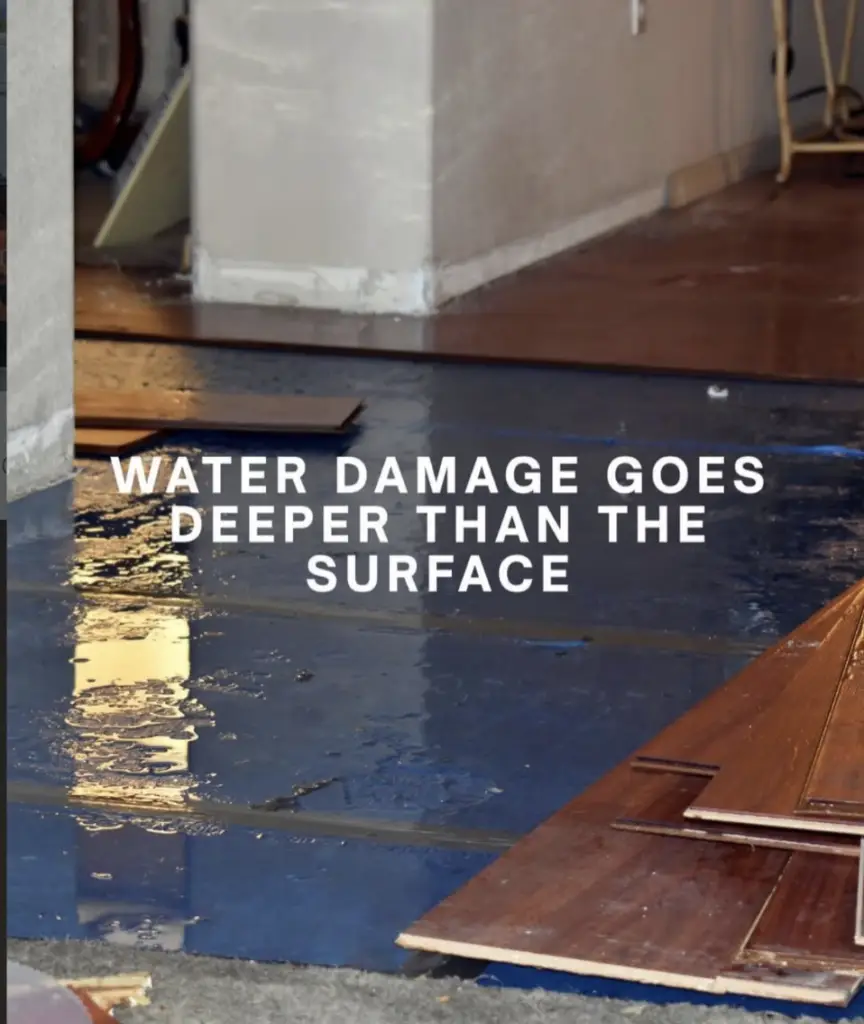
4. Ice Dam Aftermath
Ice dams form when roof snow melts unevenly and refreezes near roof edges, forcing water underneath shingles. Even after the ice disappears, damage often remains hidden.
What ice dams may have caused:
- Wet insulation inside attic spaces
- Interior wall moisture
- Compromised roof decking
- Slow ceiling leaks
Many homeowners don’t discover ice dam damage until weeks or months later — often after spring rain exposes weakened areas.
What to look for now:
- Ceiling stains or peeling paint
- Warped drywall
- Increased indoor humidity
- Unexplained mold odors
If your home experienced heavy snow buildup this winter, inspection is strongly recommended even without visible leaks.
A Simple Spring Home Check
Winter creates vulnerabilities, and Spring activates them. Ignoring seasonal damage can lead to:
- Mold growth
- Structural repairs
- Insurance claims
- Emergency restoration costs
A proactive inspection allows small repairs instead of large restoration projects. Walk around your home and look for:
- New exterior cracks
- Loose or lifted shingles
- Basement dampness
- Ceiling discoloration
- Musty or persistent odors
- Overflowing gutters during rain
If you notice even one of these signs, the issue may already be developing behind walls or under flooring.
For even more things to check at your property, read our Spring Cleaning Tips to Prevent Damage blog.
Protect Your Home After Winter
You should schedule a professional assessment if you notice:
- Water stains appearing after winter
- Moisture in basements or crawlspaces
- Signs of past ice dam activity
- Lingering damp smells
- Any new cracking around the home
Early detection is the difference between preventative drying and full restoration. Your house may have made it through winter — but that doesn’t mean it escaped the damage. Spring is the window to identify hidden problems before humidity, storms, and heavy rain make them worse.
DAI Restore helps homeowners and business owners across Rhode Island, Massachusetts, and Connecticut identify winter-related damage early and prevent small issues from becoming emergencies. Contact us today to help you: 401-828-0050!
If something feels off in your home this spring, it’s worth checking now — not after the next storm.