Fall Property Maintenance Checklist
Fall is the time to prepare your property for colder temperatures, increased rainfall, freezing conditions, and more time spent indoors. A thorough fall home maintenance routine can help identify problems before they become costly emergencies, including water damage, mold growth, fire hazards, and damage to flooring and other interior materials.
Use this fall home maintenance checklist to inspect the major areas of your home before winter arrives.
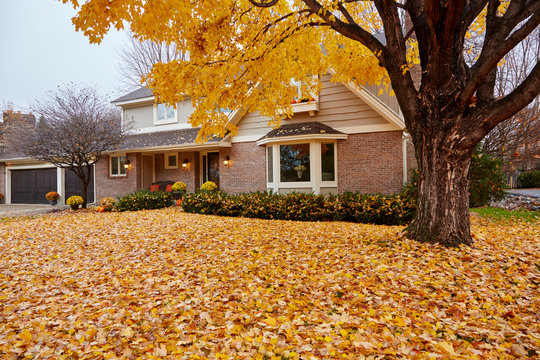
Inspect Your Roof, Gutters, and Exterior
Your property’s exterior takes the brunt of fall and winter weather, so start your maintenance routine outside.
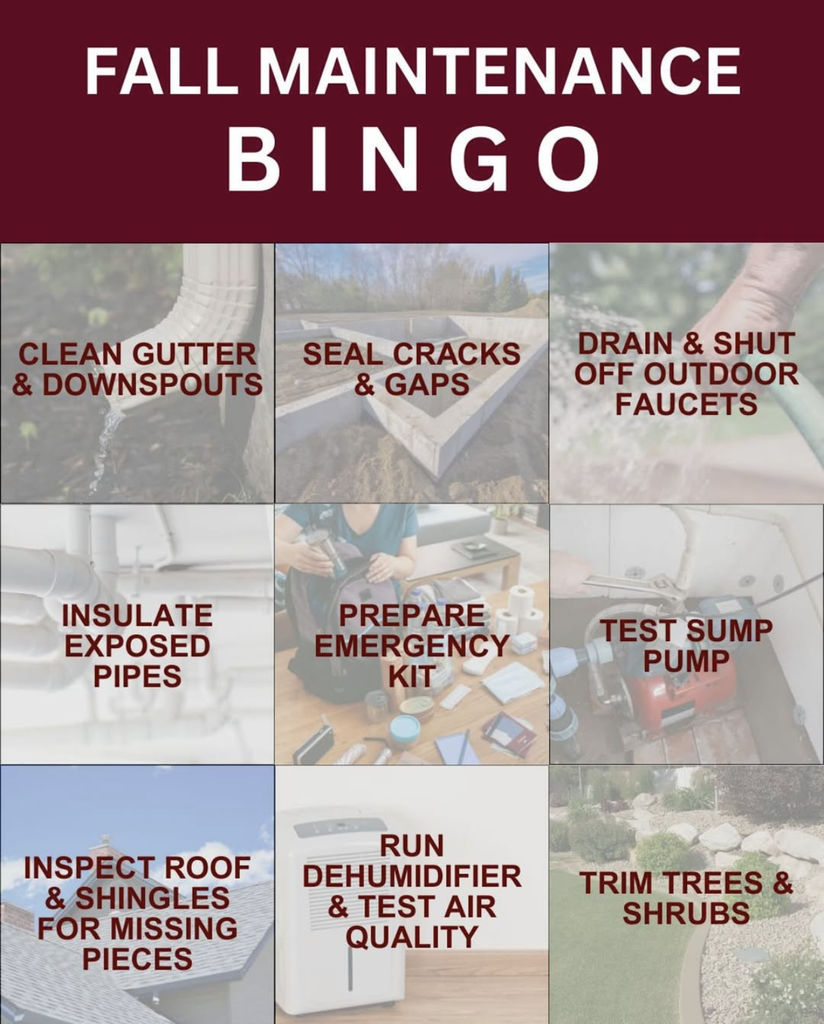
Remove leaves, branches, and other debris from gutters and make sure downspouts are clear and directing water away from the foundation. Clogged gutters can cause water to back up against the roof, siding, or foundation, increasing the risk of leaks and water intrusion.
Inspect the roof for missing or damaged shingles, cracked flashing, damaged vents, and other visible problems. Check around chimneys, skylights, and other roof penetrations for areas where water could enter.
While you’re outside, inspect siding, windows, doors, and exterior seals for gaps or damage. Replacing worn caulking and weatherstripping before winter can help prevent moisture and cold air from entering the home.
Check Your Basement, Foundation, and Crawl Spaces
Inspect areas of the home that are particularly vulnerable to moisture. Basements, crawl spaces, and lower levels should be checked for water stains, dampness, condensation, musty odors, foundation cracks, and visible mold.
Test your sump pump and make sure the discharge line is clear. If your basement has experienced flooding or water intrusion in the past, fall is also a good time to address the underlying cause rather than waiting for the next major storm.
Pay attention to musty smells even when you cannot see visible mold. Mold can grow behind walls, underneath flooring, around insulation, and in other areas where moisture has accumulated. Any unexplained moisture problem should be investigated before it becomes a larger mold or water damage issue.
Inspect Plumbing
Plumbing problems become particularly important as temperatures drop. Inspect exposed pipes, water supply lines, faucets, toilets, washing machine connections, and water heaters for leaks or signs of corrosion.
Protect pipes located in unheated areas such as garages, basements, crawl spaces, and exterior walls. Disconnect garden hoses and follow your home’s recommended process for shutting down exterior water lines before freezing temperatures arrive.
Know where your main water shutoff valve is located and make sure it is accessible. If a pipe freezes or bursts, shutting off the water quickly can significantly reduce the amount of water damage to your home.
Service Your Heating System and Check for Fire Hazards
Now is the time to get your heating system inspected and serviced before you use it every day. Replace or clean HVAC filters according to the manufacturer’s recommendations and make sure vents and registers are not blocked by furniture, rugs, or other objects.
If you use a fireplace or wood stove, have the chimney and flue inspected and cleaned as recommended. Creosote buildup can increase the risk of a chimney fire. Be sure to also inspect space heaters, electrical cords, outlets, and extension cords for damage. Keep anything that generates heat away from curtains, furniture, bedding, rugs, and other combustible materials.
Test smoke and carbon monoxide detectors throughout the home and replace batteries or units as needed.
Check Areas Where Moisture Can Enter
Inspect window and door seals, caulking, weatherstripping, and frames for cracks or gaps. Water that enters around a damaged window or door may remain hidden inside walls or flooring and eventually lead to structural damage or mold growth.
Condensation is another issue to watch for as temperatures fall. Excess moisture around windows, bathrooms, kitchens, and other areas can contribute to mold growth over time. Use exhaust fans when cooking or showering and address persistent condensation rather than simply wiping it away.
Clean and Inspect Carpets, Rugs, and Upholstery
Fall is also a good time to clean carpets, rugs, and upholstered furniture before your home becomes more closed up for the winter. Dirt, dust, allergens, and other debris can accumulate in flooring and upholstery throughout the year.
Look for areas of carpet that are stained, damp, discolored, or developing an unusual odor. Previous spills or water exposure can leave moisture trapped beneath carpet or padding, creating an environment where mold and bacteria can grow.
Check for Existing Damage Before Winter
Finally, take a walkthrough of your entire home and look for problems that may be easy to overlook during the warmer months. Check ceilings and walls for discoloration, flooring for warping or staining, and rooms for unusual odors.
Pay particular attention to anything that has changed since spring or summer. A small ceiling stain could indicate a roof leak. Warped flooring could point to previous water exposure. A persistent musty smell could indicate hidden moisture or mold.
Addressing these issues before winter weather arrives is far easier than dealing with an emergency after a major storm, frozen pipe, heating malfunction, or other incident.
What to Do When Fall Home Damage Happens
Even with proper preparation, unexpected damage can happen. A severe storm can cause water intrusion, a frozen pipe can burst, a heating system can malfunction, or a fireplace accident can lead to fire and smoke damage.
When damage occurs, acting quickly can help limit additional damage. DAI Restore provides 24/7 emergency restoration services for water damage, mold remediation, fire and smoke damage, carpet and upholstery cleaning, and biohazard cleanup throughout Rhode Island, Southern Massachusetts, and Eastern Connecticut.
When things go awry, call DAI.
DAI Restore | 401-828-0050 | daillc.com