10 Signs Your Home Has Hidden Water Damage
Heavy rain can cause serious water damage long before you notice standing water. While many homeowners and property managers look for obvious leaks, hidden water damage often develops behind walls, under flooring, inside ceilings, and around foundations. Left untreated, moisture can lead to mold growth, structural deterioration, damaged insulation, and expensive repairs.
Ahead of tropical storm and hurricane season, knowing what to look for can help you catch problems early.
1. Musty or Damp Odors That Won’t Go Away
One of the earliest signs of hidden water damage is a persistent musty smell. Moisture trapped inside walls, crawl spaces, insulation, or flooring creates the perfect environment for mold and mildew to grow; even if no visible water is present.
If you notice:
- A damp smell after rain
- Odors strongest near exterior walls
- Mustiness in basements or crawl spaces
…it’s worth scheduling a professional moisture inspection.
2. Water Stains on Walls or Ceilings
Brown, yellow, or copper-colored stains usually indicate that water has been traveling behind drywall. These stains often appear:
- Around windows
- Near roof lines
- On ceilings below the attic
- Around chimneys or skylights
Even if the stain dries, the leak may still be active during every heavy rainstorm.
3. Peeling Paint or Bubbling Drywall
Drywall absorbs moisture like a sponge. Signs include:
- Bubbling paint
- Peeling wallpaper
- Soft drywall
- Cracks forming unexpectedly
These issues are often caused by moisture trapped behind finished surfaces — not poor paint quality.
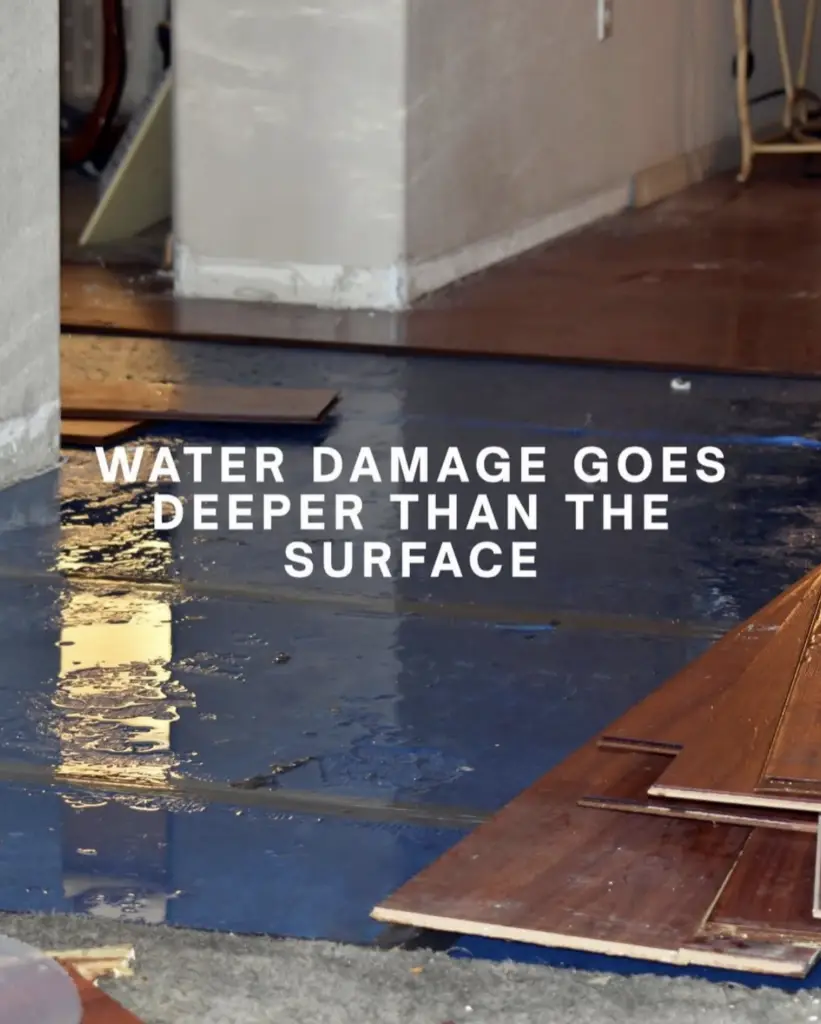
4. Warped or Buckling Floors
Water doesn’t have to flood a room to damage flooring. Watch for:
- Hardwood cupping
- Vinyl lifting
- Laminate separating
- Tile becoming loose
- Soft spots beneath carpet
Moisture beneath flooring can spread surprisingly far from the original leak.
5. Windows or Doors Suddenly Stick
Wood framing expands as it absorbs moisture.
If doors or windows that used to operate normally suddenly become difficult to open after periods of rain, hidden water intrusion could be affecting the surrounding framing.
While humidity alone can cause temporary swelling, recurring issues after storms deserve investigation.
6. Higher Indoor Humidity
If your home feels unusually humid despite running air conditioning, hidden moisture may be present. Signs include:
Excess moisture inside wall cavities and insulation can significantly affect indoor humidity levels.
7. Visible Mold Growth
Mold often appears where moisture remains trapped. Look for:
- Black spots
- Green patches
- White fuzzy growth
- Mold around baseboards or near windows
- Mold in closets on exterior walls
Keep in mind that visible mold is often only a small portion of the actual affected area.
8. Foundation Cracks or Water in the Basement
Heavy rain places tremendous pressure on your home’s foundation. Warning signs include:
- Damp basement walls
- Efflorescence (white mineral deposits)
- Small puddles after storms
- New foundation cracks
- Water entering through floor joints
Even minor seepage can eventually lead to major structural issues if ignored.
9. Sagging Ceilings
A ceiling that begins to sag should never be ignored. Water can accumulate above drywall for days or weeks before becoming obvious.
A sagging ceiling may indicate:
- A roof leak
- An attic leak
- Plumbing damage
- Significant trapped water
If a ceiling begins bulging, avoid standing underneath it and contact a restoration professional immediately.
10. Your Roof Looks Fine, But Problems Keep Appearing
Many homeowners assume that if shingles appear intact, the roof isn’t leaking. In reality, water can enter through:
- Flashing failures
- Roof vents
- Chimneys
- Skylights
- Ice and water shield failures
- Small nail penetrations
Professional moisture detection equipment can identify hidden leaks long before they become major repairs.
What to Do After Heavy Rain
If your home has experienced significant rainfall, don’t wait for visible damage to appear. Take these steps:
- Inspect your attic for signs of moisture.
- Check ceilings and walls for stains or bubbling.
- Walk your basement or crawl space for dampness.
- Look around windows and doors for new leaks.
- Schedule a professional moisture inspection if anything seems unusual.
Professional restoration companies use thermal imaging cameras, moisture meters, and non-invasive detection equipment to locate hidden water before it causes larger problems.
Not all water damage is immediately visible. At DAI Restore, our experienced restoration professionals specialize in identifying hidden moisture, preventing mold growth, and restoring homes after storms, leaks, and flooding.
Whether you’re dealing with a small leak or significant storm damage, early detection can save thousands in future repairs.
If you suspect hidden water damage after heavy rain, don’t wait. Contact DAI Restore today for a professional inspection and fast, reliable restoration services.
Frequently Asked Questions
Can water damage be hidden behind walls?
Yes. Water frequently travels behind drywall, insulation, and framing before becoming visible. Specialized moisture detection equipment is often needed to locate hidden damage.
How soon can mold grow after water damage?
Mold can begin growing within 24 to 48 hours when moisture is left untreated.
Does homeowners insurance cover water damage from heavy rain?
Coverage depends on the cause of the water intrusion and your specific policy. Damage caused by sudden covered events may be covered, while flood damage often requires separate flood insurance.
How do professionals detect hidden water damage?
Restoration professionals use moisture meters, infrared thermal imaging, hygrometers, and other specialized equipment to identify moisture behind walls, ceilings, and floors without unnecessary demolition.